
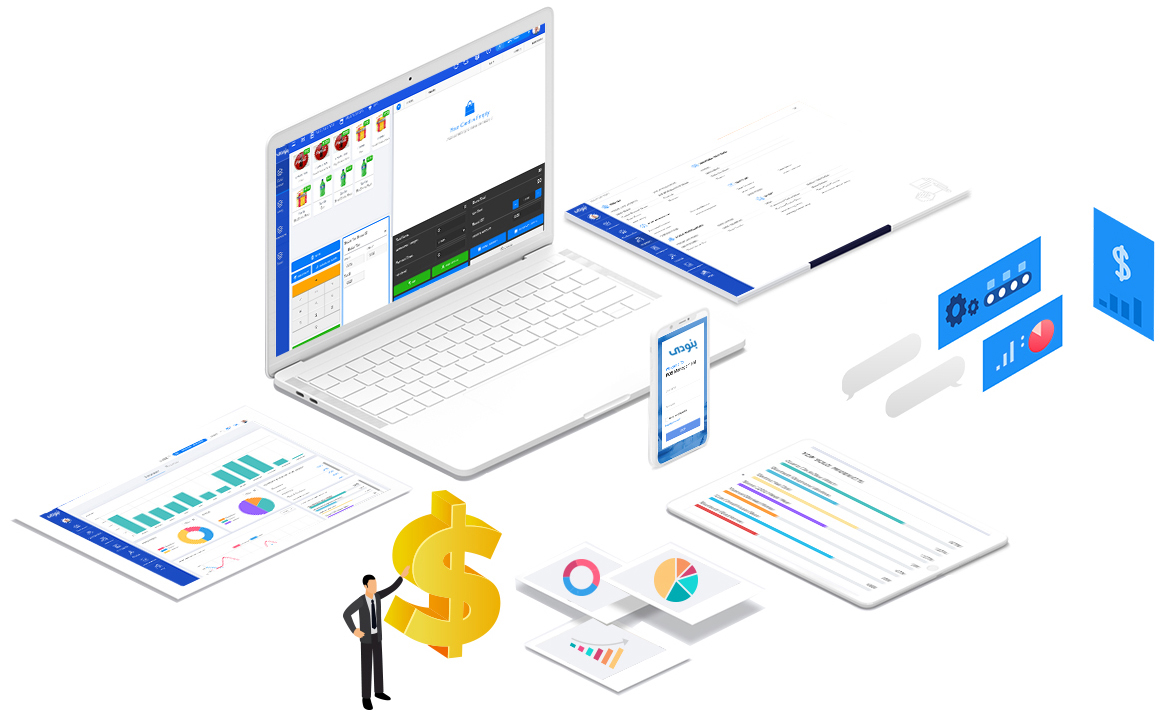
Accounting has always been the backbone of any business, but in Saudi Arabia, the growing complexity of regulations, taxes, and business operations has made choosing the right software essential. Companies today require systems that simplify bookkeeping, ensure compliance, and provide actionable insights into financial performance. The right accounting solution not only saves time and reduces errors but also empowers business owners to make informed decisions for sustainable growth.
In the Saudi market, businesses are increasingly turning to أفضل برامج المحاسبة في المملكة العربية السعودية to manage their financial operations efficiently. These accounting programs are designed to handle local tax regulations, including VAT and electronic invoicing, support Arabic language interfaces, and provide tools tailored for businesses of all sizes—from startups to large enterprises. By adopting the right solution, companies can streamline workflows, enhance productivity, and maintain compliance effortlessly.
Why Accounting Software Matters in Saudi Arabia
Accounting software has evolved far beyond simple bookkeeping. Modern systems provide comprehensive solutions that cover every aspect of financial management. In Saudi Arabia, businesses face additional challenges such as compliance with the General Authority of Zakat, Tax, and Customs (ZATCA) regulations and the need for bilingual interfaces.
Some key reasons businesses invest in accounting software include:
-
Regulatory Compliance: Ensures accurate VAT filing and e-invoicing in accordance with local laws.
-
Accuracy and Efficiency: Reduces human errors in calculations and record-keeping.
-
Time Savings: Automates repetitive tasks, such as generating invoices and reconciling accounts.
-
Data-Driven Decisions: Provides real-time reports and analytics for better financial planning.
-
Scalability: Adapts to growing business needs, supporting multiple branches and complex operations.
By leveraging these benefits, businesses can focus more on growth strategies instead of being bogged down by manual accounting tasks.
Key Features to Look for in Accounting Software
Choosing the right accounting software requires understanding the essential features that cater to your business needs. Here are some must-have functionalities:
Compliance with Local Regulations
Software must support Saudi-specific regulations, including VAT calculation, electronic invoicing, and audit-ready reporting. This ensures businesses remain compliant and avoid penalties.
Arabic Language Support
A bilingual interface allows employees to work efficiently while maintaining professional communication with clients and stakeholders.
Automated Financial Reporting
Reports such as balance sheets, profit and loss statements, and cash flow analysis help businesses track performance and make informed decisions.
Inventory and Expense Management
Integration of inventory and expense tracking allows seamless monitoring of stock, purchases, and operational costs in real-time.
Cloud Access and Security
Cloud-based systems provide remote access, secure storage, and automatic backups, ensuring data safety and flexibility.
Integration Capabilities
The ability to connect with other business tools, such as point-of-sale systems, CRM platforms, and payroll software, enhances operational efficiency.
Top Accounting Software Options for Saudi Businesses
Mezan Accounting Software
Mezan is a Saudi-focused accounting solution tailored for small and medium-sized enterprises. It offers comprehensive features such as automated VAT calculations, electronic invoicing, inventory management, and multi-branch support. Its intuitive interface and cloud-based access make it ideal for businesses that require ease of use without sacrificing compliance.
Benefits:
Localized for Saudi regulations
Real-time reporting and analytics
Simplified VAT and tax management
Cloud accessibility for multi-location businesses
Wafeq Accounting Software
Wafeq is a cloud-based accounting solution known for its bilingual interface and compliance with local tax laws. It provides automated bookkeeping, invoice generation, expense tracking, and detailed financial reporting, making it suitable for SMEs aiming for professional financial management.
Benefits:
-
Easy-to-use bilingual interface
-
Automated VAT and e-invoicing
-
Comprehensive financial reporting
-
Integration with inventory and POS systems
Qoyod Accounting System
Qoyod is a straightforward accounting software designed for startups and small businesses. It offers features such as invoicing, expense management, and VAT compliance. Qoyod’s simplicity and affordability make it a practical choice for businesses seeking basic but reliable accounting solutions.
Benefits:
-
Simple and intuitive platform
-
Cost-effective for small businesses
-
VAT and regulatory compliance
-
Easy data management and reporting
SMACC Accounting Solution
SMACC provides an advanced accounting platform suitable for growing SMEs. It includes multi-branch accounting, integrated reporting, and automated invoicing. SMACC combines usability with powerful features, enabling businesses to scale operations without compromising financial control.
Benefits:
-
Multi-branch and multi-user support
-
Comprehensive financial reporting
-
Automated workflows
-
Scalability for expanding businesses
Odoo ERP Accounting Module
Odoo is a modular business management system with a robust accounting module. While it may require initial customization for Saudi regulations, Odoo offers integration with inventory, CRM, and project management tools, making it suitable for businesses that require an all-in-one solution.
Benefits:
-
Customizable ERP with integrated accounting
-
Multi-department and multi-branch support
-
Advanced reporting and analytics
-
Suitable for complex business operations
Zoho Books
Zoho Books is a globally recognized cloud accounting solution that works well for Saudi businesses with proper configuration. It offers invoicing, expense tracking, bank reconciliation, and financial reporting. Zoho Books is ideal for startups and small enterprises that need a reliable, scalable system.
Benefits:
-
Affordable subscription plans
-
Easy-to-use interface
-
Automated workflows and reporting
-
Cloud-based with multi-device access
Advantages of Using Accounting Software
Implementing an accounting solution offers numerous benefits for businesses in Saudi Arabia:
Compliance Assurance
Accounting software ensures accurate VAT filing, e-invoicing, and regulatory compliance, helping businesses avoid fines and penalties.
Real-Time Insights
Automated dashboards and reports provide visibility into cash flow, profits, and expenditures, supporting informed decision-making.
Time and Cost Savings
Automation of repetitive tasks like invoicing, payment tracking, and reconciliations reduces manual labor and operational costs.
Improved Accuracy
Minimizes human errors in financial data, ensuring reliability and consistency across accounts.
Scalability
Cloud-based systems can accommodate business growth, supporting multi-branch operations and expanded product lines without disrupting workflows.
How to Choose the Right Software for Your Business
Startups and Small Businesses: Choose simple, localized solutions like Mezan, Qoyod, or Zoho Books for cost-effective and easy implementation.
Growing SMEs: Opt for systems like Wafeq or SMACC, which provide multi-branch support, advanced reporting, and workflow automation.
Large Enterprises: Consider ERP-level solutions such as Odoo for complex operations requiring integrated accounting with inventory, CRM, and project management.
Frequently Asked Questions (FAQs)
Why is accounting software important for businesses in Saudi Arabia?
It ensures compliance with local regulations, automates financial processes, reduces errors, and provides actionable insights for business growth.
Is Arabic language support necessary?
Yes, it allows employees to navigate the system efficiently and ensures proper documentation in the local language for clients and regulatory bodies.
Can international accounting software work in Saudi Arabia?
Global solutions may work if customized for local VAT regulations and e-invoicing requirements. However, Saudi-focused software often offers easier compliance and support.
Are cloud-based solutions better than on-premise?
Cloud-based software provides flexibility, remote access, automatic updates, and secure backups, making it more suitable for most modern businesses.
What type of business needs ERP-level accounting solutions?
Large enterprises with multi-branch operations, complex inventory, or integrated workflows benefit most from ERP-level accounting software.