
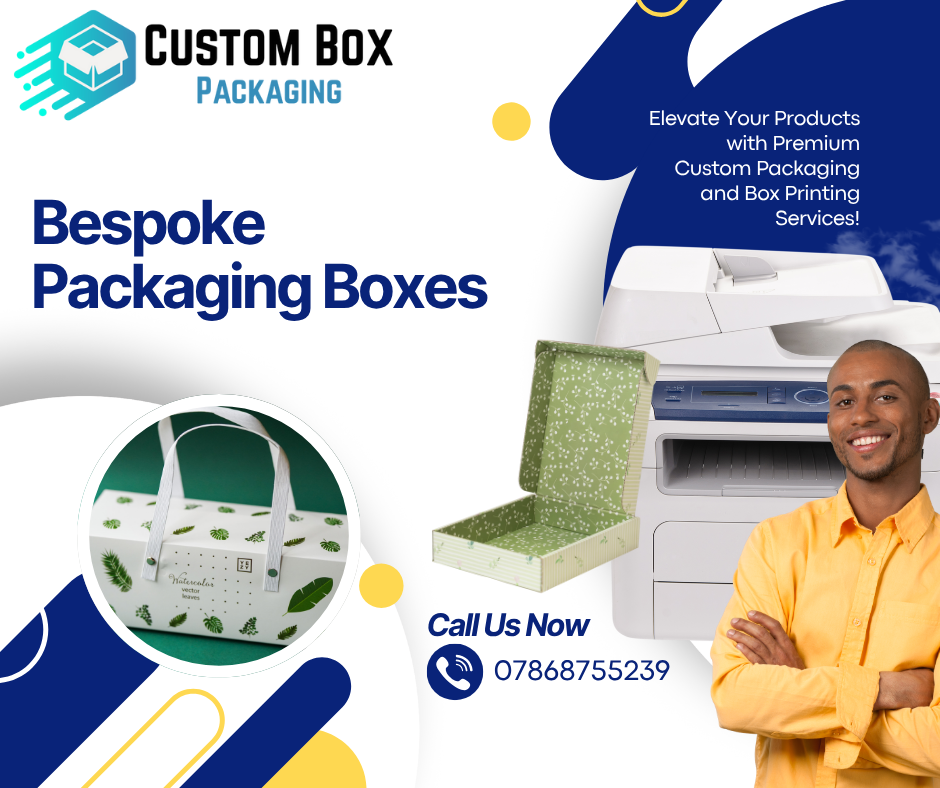
Bespoke packaging boxes are tailor-made packaging solutions designed to fit your product, brand identity and customer experience. Unlike mass-produced custom boxes, bespoke packaging is crafted to your exact dimensions, materials, finishes and sustainability goals — helping UK businesses improve protection, reduce waste and elevate brand perception. Whether you sell cosmetics in London, artisan foods in Manchester, or tech accessories in Edinburgh, bespoke packaging enhances unboxing experiences and boosts customer loyalty.
What Are Bespoke Packaging Boxes?
Bespoke packaging boxes are highly personalised packaging solutions created to meet specific product and brand requirements. Unlike standard off-the-shelf packaging, bespoke boxes are designed:
-
To fit exact product dimensions
-
In materials that match product needs (cardboard, corrugated board, luxury rigid board)
-
With custom branding, finishes, colours, and protective inserts
These boxes go beyond “custom boxes” — they encapsulate function, brand storytelling, and sustainability in one package.
Why UK Businesses Choose Bespoke Packaging
Businesses across the UK — from small artisan makers to large e-commerce retailers — are shifting to bespoke packaging for key benefits:
1. Perfect Fit and Protection
Standard postal boxes often leave product movement inside the box, leading to damage. Bespoke packaging reduces this risk by tailoring internal dimensions and protective inserts for fragile items.
2. Strong Brand Impression
Bespoke packaging becomes a brand touchpoint. A beautifully designed box sent to customers in Sheffield or Bristol enhances the perceived value of your product and increases repeat purchases.
3. Sustainability Goals
Many UK brands prioritise sustainability. Bespoke boxes can use recycled or recyclable materials, minimal fillers, and reduced excess packaging — helping reduce carbon footprint and meet consumer expectations.
4. Cost-effective in the Long Run
Although bespoke packaging may have a higher upfront cost compared to standard custom boxes, savings come from reduced returns due to damage, fewer packaging materials, and improved customer retention.
Bespoke vs. Custom Boxes — What’s the Difference?
| Feature | Bespoke Packaging Boxes | Custom Boxes |
|---|---|---|
| Design | Fully tailored from scratch | Pre-set templates with modifications |
| Branding | Integrates detailed brand elements | Limited brand customisation |
| Materials | Chosen to product spec | Standard material options |
| Sustainability | Designed for minimal waste | Variable |
| UK Use Case | Premium & high-value products | Broad e-commerce use |
While both terms are often used interchangeably, “bespoke packaging boxes” implies deeper customisation and strategy compared with typical “custom boxes.”
SEO Long-Tail Keywords & Semantic Phrases Covered
Throughout this article we’re targeting:
-
bespoke packaging boxes UK
-
luxury bespoke packaging
-
tailor-made custom boxes
-
sustainable bespoke boxes
-
branded packaging solutions UK
-
personalised product packaging
-
eco-friendly custom boxes
-
premium packaging design services
These help align with searcher intent and Google’s semantic relevance.
Benefits of Bespoke Packaging Boxes (in Detail)
✔ Brand Recognition and Storytelling
Today’s consumers expect a brand experience — not just a product. The unboxing moment is a key marketing opportunity. Bespoke packaging enhances this by:
-
Displaying your logo and brand colours
-
Telling a brand story through design elements
-
Including customized inserts and thank-you cards
This is especially important for UK customers who value local craftsmanship and thoughtful presentation.
Enhanced Product Protection & Fit
Products shipped across the UK — whether to Glasgow or Cardiff — face rough handling. Bespoke boxes:
-
Match product shape and size
-
Support specialised protective inserts
-
Reduce movement and damage
This reduces returns, saves money, and improves reviews.
Materials & Eco-Innovation
Many UK brands lead on sustainable packaging. Bespoke solutions can incorporate:
-
Recycled brown kraft board
-
PLA biodegradable windows
-
Water-based inks
-
Minimal adhesive designs
With rising environmental regulations and consumer awareness in the UK, eco-friendly bespoke packaging boxes are not just desirable — they’re becoming expected.
How to Design Bespoke Packaging Boxes (Step-by-Step)
1. Assess Your Product Needs
Measure your product accurately. Consider weight, fragility, and shape. These determine box strength and style.
2. Choose the Right Materials
Select materials based on durability and sustainability. Corrugated board for heavy goods, rigid board for luxury items, or eco options for green brands.
3. Build Your Brand Into the Design
Work branding into the packaging:
-
Logo placement
-
Typography
-
Custom colours (Pantone matching)
-
Embossing or foiling
This builds consistency across customer touchpoints.
4. Prototyping & Testing
Create prototypes and test with focus groups or small customer batches — especially for fragile items.
5. Scale Production
Once approved, produce at scale with a UK packaging partner or manufacturer.
Types of Bespoke Packaging Boxes
Here are the most popular bespoke box styles UK businesses use:
1. Retail Ready Packaging
Great for shelf display in stores like Selfridges (London) or Harvey Nichols.
2. Mailer Boxes
Popular with UK e-commerce businesses for direct-to-consumer shipping.
3. Gift & Luxury Boxes
Ideal for jewellery, bespoke chocolates, fragrances, or limited-edition products.
4. Rigid Boxes
Used for high-end products requiring premium aesthetics and rigid structure.
5. Food-Safe Packaging
For artisanal food producers in Yorkshire, Cornwall, or Belfast — designed to preserve freshness.
Choosing a UK Supplier for Bespoke Packaging Boxes
When sourcing custom boxes in the UK, prioritise:
Full design support and box mockups
Sustainable and recyclable material options
Clear pricing and MOQ (minimum order quantity) terms
Reliable lead times and local UK fulfilment
Positive client testimonials and case studies
Selecting the right partner ensures your boxes reflect quality and professionalism.
Sustainability & Regulations in the UK Market
UK businesses must follow evolving sustainability standards. Bespoke boxes can help you:
-
Comply with plastic reduction regulations
-
Use Forest Stewardship Council (FSC) certified materials
-
Offer recyclable packaging with clear disposal instructions
Sustainable packaging is no longer optional — it’s expected by UK consumers who increasingly choose brands with eco-friendly practices.
SEO & Marketing Benefits
Bespoke packaging contributes to marketing success by:
-
Improving brand recall
-
Encouraging social shares of unboxing experiences
-
Increasing repeat purchases
-
Boosting product reviews
These subtle but powerful factors support organic growth and SEO performance by increasing time-on-site, return visits, and brand searches.
Real UK Business Use Cases
Artisan Cosmetics in Brighton
A beauty brand used bespoke luxury boxes with embossing to signal quality — and saw a 25% increase in online conversions.
Independent Bookshop in Edinburgh
Custom rigid boxes with printed brand stories helped create memorable gift sets, boosting seasonal sales.
Local Chocolatier in Bristol
Eco-friendly kraft bespoke boxes reduced packaging waste by 40% and resonated with eco-conscious customers.
Bespoke Packaging Trends in 2025
To stay ahead in the UK market, watch these trends:
➡ Interactive packaging (QR codes with personalised messages)
➡ Minimalist eco-designs
➡ Subscription box styles
➡ AR/VR unboxing experiences
➡ Custom inserts for multimedia products
These emerging trends show how bespoke packaging boxes aren’t just functional — they’re part of the product experience.
Final Thoughts
Bespoke packaging boxes are more than containers — they’re strategic brand tools that drive customer satisfaction, sustainability, and sales growth. For UK businesses aiming to stand out, they offer bespoke fit, enhanced protection, and a memorable unboxing experience.
If you want to transform your product presentation, prioritise bespoke packaging that aligns with your brand, customer expectations, and sustainability goals.