
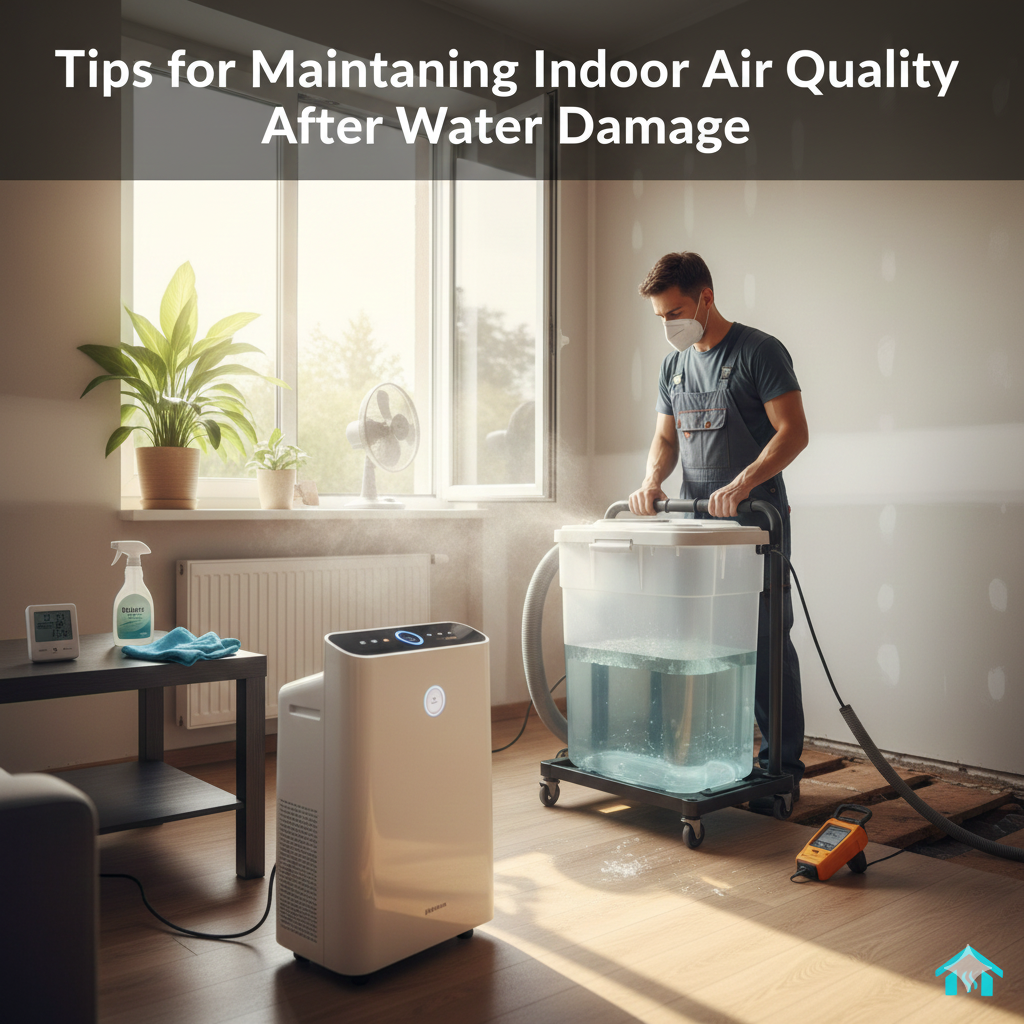
Water damage can change the feeling of a home overnight. One day it feels safe and familiar, and the next it smells damp and heavy. Beyond visible damage, water issues often affect indoor air quality in ways many homeowners do not notice right away. Breathing clean air matters, especially after leaks, floods, or plumbing failures. This guide walks you through practical and realistic tips for maintaining indoor air quality after water damage, written from real-world restoration experience and building science knowledge.
When water damage happens, acting fast matters. Professional help is often the best first step, especially for hidden moisture problems. Many homeowners in Central Texas rely on trusted experts like Austin TX water damage restoration services to remove water properly and prevent long-term air quality issues.
Why Water Damage Affects Indoor Air Quality
Water damage creates the perfect environment for airborne problems. Moisture seeps into walls, floors, furniture, and insulation. When these materials stay wet, they release odors and microscopic particles into the air. Mold spores, bacteria, and dust thrive in damp spaces. Even clean-looking rooms can have poor air quality if moisture remains trapped.
Indoor air quality often worsens days or weeks after the initial incident. That delay can confuse homeowners. You might notice headaches, coughing, sinus irritation, or musty smells long after the water seems gone. Understanding this timeline helps you stay alert and proactive.
Drying the Space Thoroughly Is the Foundation
The most important step after water damage is complete drying. Surface drying alone is not enough. Moisture hides behind walls, under floors, and inside cabinets. Professional drying equipment like air movers and dehumidifiers remove moisture from the air and materials.
If you handle small incidents yourself, focus on airflow and humidity control:
- Open windows when weather allows
- Use fans to keep air moving
- Run dehumidifiers continuously
- Remove wet items immediately
Stopping moisture at the source helps prevent airborne contaminants from developing.
Remove Damaged Materials That Cannot Be Saved
Some materials hold water too well. Carpet padding, drywall, insulation, and ceiling tiles often need removal. Keeping these materials increases the risk of mold growth and lingering odors. Even if mold is not visible, bacteria can still affect air quality.
Think of removal as protecting your lungs, not just your walls. Clean air starts with clean building materials.
Pay Attention to HVAC Systems
Your heating and cooling system plays a major role in indoor air quality. After water damage, HVAC systems can spread contaminants throughout the home if not checked. Moisture can enter ductwork or settle around vents.
Steps to protect your HVAC system include:
- Replacing air filters right away
- Having ducts inspected if flooding occurred
- Keeping the system off during heavy drying when advised
- Scheduling a professional cleaning if musty smells appear
Clean ducts help prevent mold spores and dust from circulating indoors.
Clean and Disinfect With Care
Cleaning after water damage should focus on health, not just appearance. Use products designed to kill bacteria and control odors. Avoid mixing chemicals, especially bleach and ammonia. Overuse of harsh cleaners can also release fumes that harm indoor air quality.
Focus on hard surfaces first. Wipe walls, floors, and furniture with appropriate cleaners. Soft items like curtains, pillows, and upholstered furniture may need professional cleaning or disposal depending on exposure.
Monitor Humidity Long After Repairs
Even after repairs are complete, humidity control remains important. High indoor humidity supports mold growth and dust mites. Ideally, indoor humidity should stay between 30 and 50 percent.
Using a hygrometer helps track humidity levels. Dehumidifiers may be needed seasonally or in areas like basements and bathrooms. Good air quality is an ongoing effort, not a one-time fix.
Watch for Signs of Mold Growth
Mold often affects air quality before it becomes visible. Early signs include earthy odors, increased allergy symptoms, and unexplained respiratory irritation. If you notice these signs, act quickly.
Professional mold inspections help identify hidden growth and prevent spreading spores. When mold is present, relying on trained specialists is safer than attempting removal alone. Toward the end of recovery, many homeowners turn to professional mold removal services Texas to fully restore healthy indoor air.
Build Long-Term Habits for Healthier Air
Once your home recovers, daily habits help maintain good air quality. Vent bathrooms and kitchens properly. Fix leaks quickly. Clean regularly using gentle products. Schedule annual HVAC maintenance. These habits reduce future moisture issues and support a healthier living space.
FAQs About Indoor Air Quality After Water Damage
How long does poor air quality last after water damage?
It depends on how quickly moisture is removed. Without proper drying and cleanup, air quality issues can last months or longer.
Can I stay in my home during water damage cleanup?
In minor cases, yes. For major flooding or mold concerns, temporary relocation may protect your health.
Do air purifiers help after water damage?
Air purifiers can reduce airborne particles, but they do not remove moisture or fix hidden damage. They work best as a support tool, not a solution.
Is mold always visible when air quality is poor?
No. Mold often grows behind walls or under floors. Odors and health symptoms may appear first.
When should I call a professional?
If water damage covers large areas, smells persist, or health symptoms develop, professional restoration and mold services are recommended.
Maintaining indoor air quality after water damage takes attention, patience, and the right steps. Clean air supports better health and peace of mind, making the effort well worth it.