
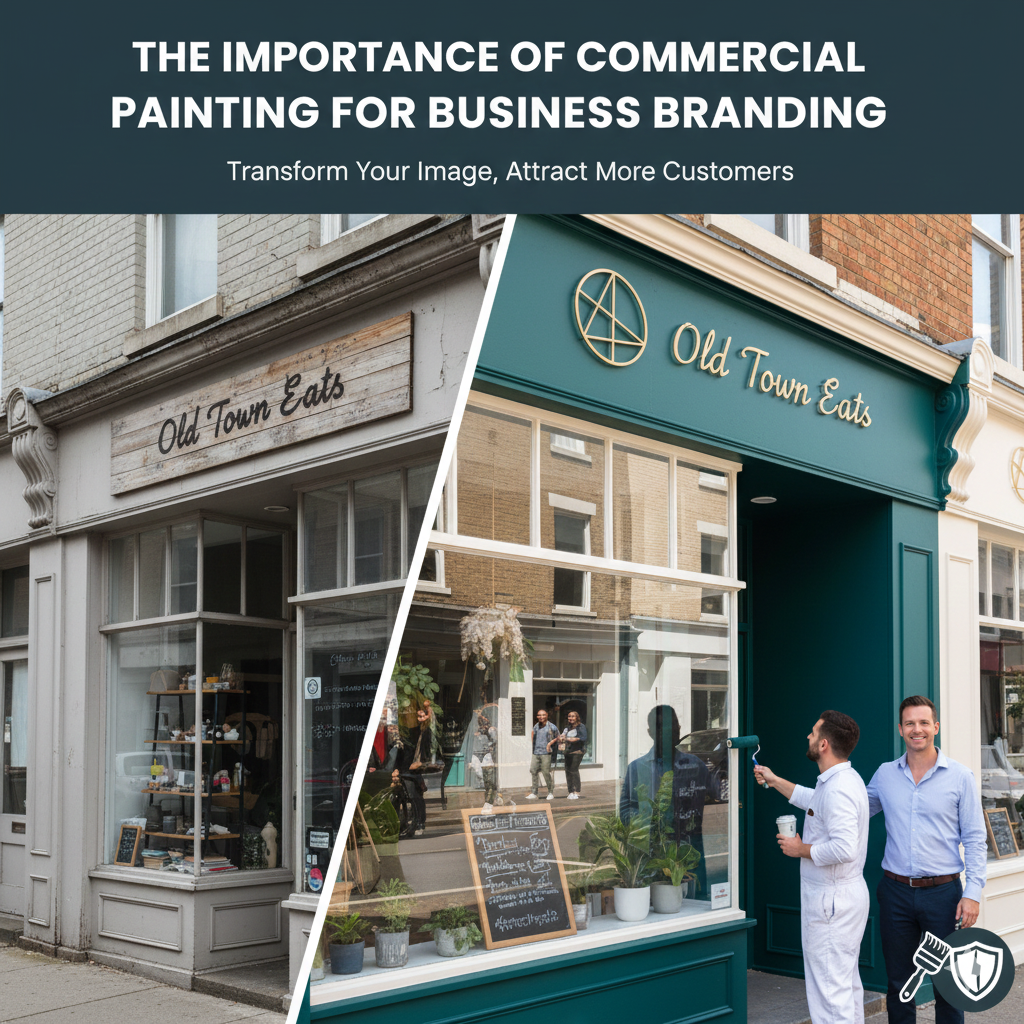
First impressions matter. When a client walks into your office or passes by your storefront, the colors and finish of your building say a lot about your brand. Commercial painting is not just about aesthetics; it is an investment in how your business is perceived. A fresh coat of paint can convey professionalism, attention to detail, and a commitment to quality. Even small businesses can benefit from hiring professionals rather than attempting DIY updates. For those interested in improving both the interior and exterior appearance, residential painting services USA offer a great starting point for understanding the impact of color and finish.
How Paint Shapes Brand Identity
Color psychology plays a big role in branding. Businesses often choose colors that reflect their values and connect with their target audience. For example:
- Blue conveys trust and reliability, often used by tech and financial companies.
- Green signals growth, health, and eco-friendliness, common among wellness and sustainability brands.
- Red captures attention and evokes energy, ideal for retail or entertainment spaces.
But color alone is not enough. The quality of the paint, the precision of application, and the harmony between walls, trim, and signage all contribute to a cohesive visual story. Commercial painting ensures that these elements align with your brand’s identity.
Enhancing Customer Experience
A well-painted commercial space is welcoming. It creates an environment where customers feel comfortable and confident. A fresh interior can make employees feel motivated, while an attractive exterior encourages foot traffic. Even subtle changes, such as repainting a reception area or accent walls, can refresh the overall vibe of a space.
Investing in commercial painting can also prevent negative perceptions. Chipped or faded paint might suggest neglect, low standards, or a lack of professionalism. Maintaining the look of your business through periodic painting signals care and reliability.
Cost-Effective Marketing Tool
Many business owners underestimate the marketing value of professional painting. A vibrant and modern building can act as a silent advertisement. Passersby, clients, and employees notice the visual appeal, which can indirectly increase brand recall and customer loyalty. Compared to expensive marketing campaigns, a smart investment in paint offers long-lasting visibility.
Choosing the Right Professional Painter
Not every painter is equipped to handle the demands of a commercial property. Commercial painting requires:
- Experience with larger spaces and high-traffic areas
- Knowledge of durable, long-lasting paints
- Compliance with safety standards and local regulations
- Ability to work with business schedules to minimize disruption
Hiring professionals ensures that projects are completed efficiently, with quality finishes that last. Businesses can also benefit from guidance on color schemes, finishes, and materials that best suit their space and brand goals.
Trends in Commercial Painting
Several trends are shaping how businesses approach painting today:
- Sustainable and low-VOC paints for healthier indoor air quality
- Bold accent walls that make a statement without overwhelming the space
- Matte finishes for modern and understated elegance
- Use of brand colors creatively to differentiate spaces
These trends highlight that commercial painting is both functional and strategic, enhancing visual appeal while reflecting a brand’s philosophy.
Conclusion
Commercial painting is more than maintenance; it is a strategic tool for branding, customer engagement, and marketing. By investing in high-quality painting services, businesses convey professionalism and care while creating environments that attract and retain clients. Partnering with experienced teams ensures that your space is visually compelling, durable, and aligned with your brand identity. For businesses looking to elevate their spaces, Commercial Painting services in USA can transform a simple building into a powerful statement of brand value.
FAQ
Q: How often should a commercial building be repainted?
A: Typically, every 5-7 years for exterior surfaces and 3-5 years for interior spaces, depending on traffic and environmental exposure.
Q: Can painting increase property value?
A: Yes, a professionally painted property improves curb appeal and can positively impact perceived value.
Q: Is eco-friendly paint a good choice for commercial spaces?
A: Absolutely. Low-VOC and sustainable paints are healthier for employees and visitors while providing a modern, clean finish.
Q: How long does a commercial painting project usually take?
A: Project duration varies with size and complexity. Small interiors may take a few days, while large commercial exteriors could take several weeks.