
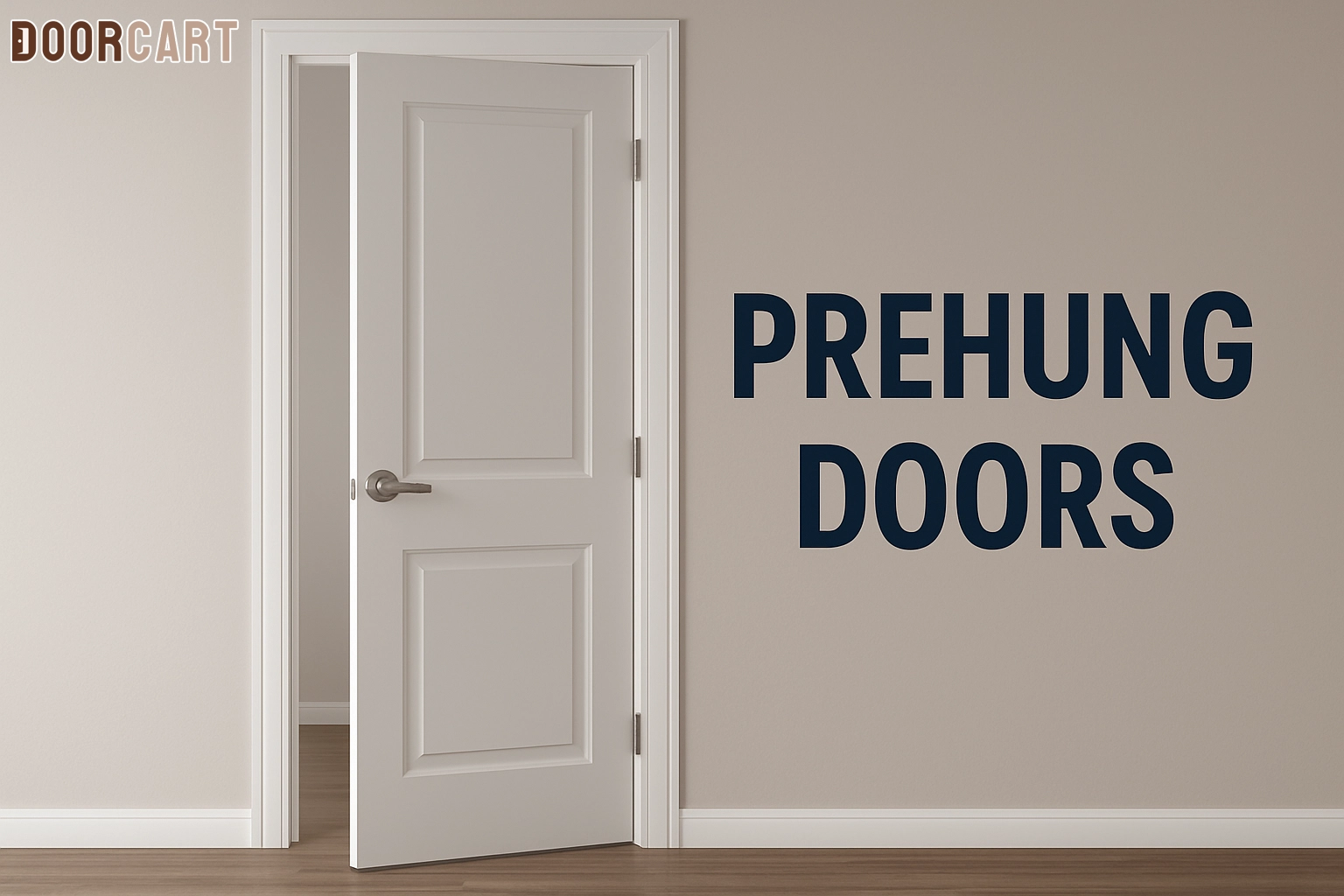
In the bustling renovation and construction landscape of Canada, where timelines are often pressured by short building seasons and homeowners seek ever-greater efficiency, the prehung door has moved from a contractor’s secret to a mainstream essential. More than just a slab of wood, a prehung door is a complete, integrated system that is revolutionizing how Canadians secure, insulate, and beautify their homes. For anyone embarking on a new build, renovation, or replacement project, understanding the value proposition of prehung doors in the context of the Canadian market is crucial.
What Exactly is a Prehung Door?
At its core, a prehung door is a factory-assembled unit. It includes:
-
The Door Slab: The actual door itself.
-
The Frame (Jamb): The surrounding structure, typically made of wood, MDF, or steel, already hinged to the slab.
-
The Hinges: Pre-mortised and attached, with pins in place.
-
A Pre-Cut Strike Plate Recess: For the door latch.
-
Often, the Doorstop Molding: The trim that prevents the door from swinging through the frame.
In essence, it arrives on-site as a fully squared, aligned, and integrated package, ready to be placed into a rough opening. This stands in stark contrast to the traditional method of buying a “slab door” and a separate frame, then painstakingly cutting hinge mortises, aligning hardware, and assembling the components on-site—a process ripe for error, especially in variable conditions.
The Canadian Advantages: Why Prehung Doors are a Perfect Fit
The benefits of prehung doors align exceptionally well with the demands and challenges of the Canadian residential market.
1. Unmatched Energy Efficiency and Weather Sealing:
Canada’s climate is famously unforgiving, with winters that demand robust thermal performance. Prehung doors are typically equipped with integrated, factory-applied weatherstripping. This creates a consistent and reliable seal against drafts, moisture, and cold air infiltration—key factors in managing heating costs and ensuring home comfort in provinces from icy Alberta to damp Nova Scotia. Achieving this level of airtightness with a site-built slab door is significantly more difficult and less consistent.
2. Superior Installation Speed and Consistency:
Time is money, especially when construction schedules compete with early frosts or rainy seasons. A skilled installer can fit a prehung door in a fraction of the time it takes to hang a slab door. This efficiency translates to lower labour costs for contractors and less disruption for homeowners. Furthermore, because the critical alignment is done in a controlled factory environment, the results are consistently square and true, eliminating common issues like binding, sticking, or uneven gaps.
3. Enhanced Security and Structural Integrity:
The door is your home’s primary physical barrier. A prehung door system ensures that the heavy-duty hinges are perfectly aligned and securely fastened into a robust, factory-engineered frame. This reduces the risk of sagging or misalignment over time, which can compromise both security and operation. For Canadians, this means a more reliable and durable entry point that stands up to seasonal expansion and contraction.
4. Simplified DIY and Project Management:
The rise of major Canadian home centres like Home Depot, Lowe’s, and RONA has made prehung doors accessible to the savvy DIYer. With clear instructions and the right tools, a competent homeowner can successfully replace an interior or even an exterior door, a project that would be daunting with a slab door. For project managers and builders, sourcing prehung doors means fewer individual parts to coordinate and a more predictable installation outcome.
5. Design Flexibility for the Modern Canadian Home:
The Canadian design aesthetic spans from classic heritage looks in Ontario’s older neighbourhoods to sleek, contemporary styles in Vancouver’s new builds. The prehung door market caters to all. Available in a vast array of materials (solid wood, engineered wood, fiberglass, steel), styles (panel, flush, French, with sidelights), and finishes, there is a prehung option for every vision. Fiberglass models, in particular, have gained immense popularity for their ability to mimic wood grain perfectly while offering superior insulation and resistance to Canada’s humidity and temperature swings—a key consideration for entry doors.
Key Considerations for the Canadian Buyer
Choosing the right prehung door requires attention to local specifics:
-
Exterior vs. Interior: This is the primary decision. Exterior prehung doors are built as fortified systems. Look for:
-
Material: Solid wood (beautiful but requires maintenance), steel (secure and affordable, but can dent), or fiberglass (top choice for durability, energy efficiency, and style versatility).
-
Core: A polyurethane or insulated core is essential for thermal performance.
-
Weather Rating: Ensure it’s rated for Canadian winters. Look for ENERGY STAR® certification, which signifies it meets strict performance standards for climate zones like ours.
-
-
Interior Prehung Doors: Focus is on style, sound dampening, and function. Hollow-core doors are lightweight and economical for most rooms, while solid-core doors offer better sound insulation and a substantial feel, ideal for home offices or bedrooms.
-
Sizing and Rough Openings: Accuracy is paramount. Standard sizes prevail (e.g., 30″, 32″, 36″ for exteriors), but older Canadian homes, especially character homes, may have non-standard openings. Always measure the rough opening (the structural opening in the wall) carefully before purchasing. Most suppliers can accommodate custom sizes, often at a premium.
-
Building Codes and Hardware: Ensure the door, especially an exterior one, complies with local building codes regarding egress, fire rating (for garages or certain multi-unit dwellings), and accessibility. Also, decide early on whether you want a pre-bored door for a handleset or a non-bored door if you have specific hardware in mind.
The Installation Imperative in the Canadian Context
Even with a prehung unit, professional installation is highly recommended, particularly for exterior doors. A perfect door in an imperfect opening is a recipe for drafts and water ingress. Key installation steps critical for Canadian performance include:
-
Proper Flashing and Water Management: Directing water away from the threshold is non-negotiable to prevent ice damming and rot.
-
Insulation: High-quality, low-expansion spray foam around the frame within the rough opening seals air gaps and adds structural rigidity.
-
Level and Plumb: Ensuring the unit is perfectly level and plumb during installation guarantees smooth operation and a long-lasting seal.
The Bottom Line for Canada
The prehung door represents a smart convergence of quality, efficiency, and performance tailored for the Canadian reality. It addresses the core homeowner concerns of energy bills, security, and durability against our climate, while providing builders and renovators with a reliable, time-saving product.
Whether you are constructing a new energy-efficient home in Calgary, renovating a century-old property in Montreal, or simply updating the interior of your Toronto condo, the prehung door offers a streamlined path to a superior result. It’s an investment that pays dividends not just in immediate curb appeal and style, but in long-term comfort, savings, and peace of mind—making it an undeniably solid choice for the Canadian market. By choosing a quality prehung doors and ensuring its proper installation, you are not just hanging a door; you are installing a engineered component designed to protect and enhance your home for years to come.