
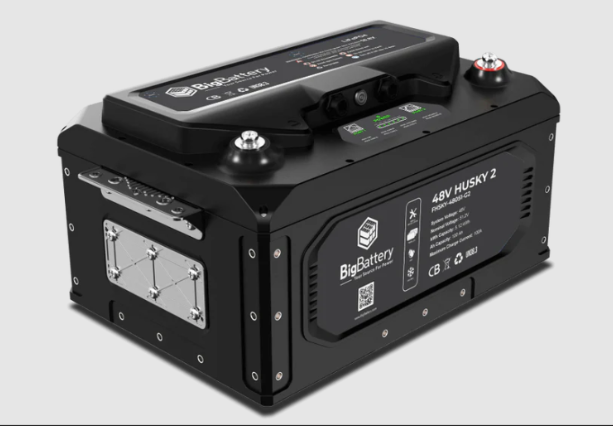
Modern RV owners are increasingly searching for ways to enjoy off-grid travel without relying heavily on noisy, fuel-consuming generators. One of the most effective strategies is upgrading to a high-performance battery for the RV camper, which can store energy efficiently and supply consistent power for essential onboard systems. Whether you’re traveling for a weekend or embarking on an extended boondocking adventure, the right battery setup allows you to operate appliances, lighting, and electronics more smoothly while minimizing generator runtime. Understanding how this works can help RV campers optimize energy usage and create a more comfortable, eco-conscious travel experience.
Why Battery Quality Matters for RV Power Systems
A Reliable Power Reserve
Choosing the correct battery for the RV camper ensures you have a dependable energy reserve that handles the demands of refrigeration, lighting, ventilation, and charging devices. High-quality batteries maintain stable voltage even under continuous loads. This steadiness helps protect sensitive electronics and reduces the likelihood of sudden power drops, which often force RV owners to start generators sooner than planned.
Enhanced Energy Storage Capacity
Advanced battery chemistries, such as lithium iron phosphate (LiFePO4), offer significantly higher usable capacity compared to traditional lead-acid types. With more available energy per charge, RV travelers can operate multiple devices for longer periods without draining the system too quickly. This extra capacity directly translates into reduced generator use, as campers can rely on stored energy instead of on-demand fuel-powered generation.
How the Right Battery Reduces Generator Dependence
Faster Recharging From Solar and Alternators
A major advantage of modern RV power setups is the ability to capture energy from alternative sources like solar panels or the vehicle’s alternator. A high-quality battery for the RV camper can accept higher charging currents, meaning it recharges faster and more efficiently. The quicker the battery replenishes, the less likely you are to need a generator to top it up. Solar power in particular becomes far more practical when paired with a battery capable of deep cycling and rapid charge acceptance.
Higher Depth of Discharge (DoD)
Depth of discharge refers to how much of the battery’s stored energy you can use before recharging. Traditional batteries typically allow only shallow discharges to avoid long-term damage. Modern options—especially lithium-based systems—allow 80 to 100 percent discharge without reducing lifespan. This means you can draw more energy per cycle from the battery itself, delaying or eliminating the need to run a generator throughout your trip.
Improving Efficiency of Onboard Electrical Systems
Stable Power for Appliances
Inconsistent power is one of the biggest reasons people rely on generators. A well-selected battery for the RV camper delivers clean, stable electricity that keeps appliances running smoothly. Items like water pumps, vent fans, interior lighting, and refrigeration units perform better when connected to a stable battery supply. This reduces strain, minimizes cycling issues, and increases operational efficiency, all contributing to lower generator usage.
Better Compatibility With Energy-Saving Devices
Upgraded RV batteries often pair well with modern energy-efficient appliances and smart power management devices. Load-sensing systems, automatic shutoffs, LED lighting, and efficient cooling units draw less power while delivering better performance. When combined with a high-capacity battery bank, these technologies improve energy conservation and prolong battery life between charges.
Conclusion
With better energy storage, deeper discharge capabilities, and stable power output, the right battery supports efficient operation of onboard appliances and makes alternative charging sources like solar far more effective. Many RV owners now also optimize their setups with an RV camper inverter, which works in tandem with the battery system to deliver smooth AC power—further minimizing generator use and enhancing the overall off-grid experience.