
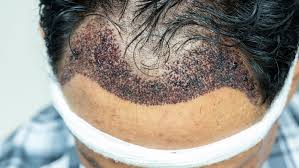
A hair transplant can restore hair and confidence, but it is still a medical procedure, not a cosmetic shortcut. Many people search for success stories yet ignore the most important part—understanding risks, side effects, and safety standards before choosing a hair transplant clinic.
This article explains the real risks, common side effects, and how safe hair transplant surgery actually is when performed correctly. If you are considering a hair transplant, especially options like hair transplant Lahore, this guide helps you make a smart, informed decision—without fear or false promises.
Is Hair Transplant Surgery Safe?
Yes, hair transplant surgery is considered safe and minimally invasive when:
-
A qualified surgeon performs it
-
The clinic follows medical protocols
-
Patient selection is done properly
The International Society of Hair Restoration Surgery (ISHRS) classifies hair transplantation as a low-risk outpatient procedure.
However, safety depends on who performs the surgery, not just the technique.
Source: ISHRS Patient Safety Guidelines
Common Side Effects After Hair Transplant
Most side effects are temporary and manageable. Patients should expect them and not panic.
Swelling
Mild swelling may occur on the forehead or around the eyes. It usually resolves within 3–5 days.
Redness
The scalp may appear red for a few weeks, especially in fair-skinned individuals.
Itching
Healing skin often itches. Doctors advise against scratching to protect grafts.
These effects are normal and not signs of failure.
Source: American Academy of Dermatology (AAD)
Temporary Hair Shedding (Shock Loss)
Shock loss surprises many patients, but doctors consider it normal and temporary.
-
Transplanted hair sheds within 2–8 weeks
-
Hair follicles remain alive under the skin
-
New growth starts after 3–4 months
Patients who understand this process experience less anxiety.
Potential Risks of Hair Transplant Surgery
While rare, risks can occur—especially in poorly regulated clinics.
Infection
Infections occur when clinics ignore sterilization standards. Proper antibiotics and hygiene prevent this risk.
Poor Growth or Patchy Results
This happens due to:
-
Incorrect graft handling
-
Inexperienced technicians
-
Overharvesting donor hair
A skilled surgeon minimizes this risk.
Unnatural Hairline
Aggressive or poorly designed hairlines look artificial. Proper planning avoids this mistake.
Source: Journal of Cutaneous and Aesthetic Surgery
Donor Area Damage: A Serious but Preventable Risk
The donor area supplies permanent hair. Overharvesting can cause:
-
Visible thinning
-
Permanent damage
-
Limited future options
Ethical surgeons protect donor density and plan for long-term hair loss.
Are There Long-Term Side Effects?
A properly performed hair transplant does not cause long-term medical problems. Transplanted hair behaves like natural hair and continues to grow permanently.
However:
-
Native hair may continue to thin
-
Some patients may need medical therapy
-
Future procedures may be required
Doctors should explain this clearly before surgery.
Safety Differences Between FUE and FUT
FUE Safety Profile
-
No stitches
-
Faster recovery
-
Lower risk of visible scarring
FUT Safety Profile
-
Linear scar
-
Higher graft yield in one session
-
Slightly longer healing
Both techniques remain safe when performed by trained surgeons.
Source: Dot Clinics Hair Restoration Overview
Who Is NOT a Good Candidate for Hair Transplant?
Safety also depends on patient selection.
Doctors may advise against surgery if:
-
Hair loss is actively progressing
-
Donor hair is weak
-
Medical conditions affect healing
-
Expectations are unrealistic
Ethical clinics prioritize patient safety over sales.
Hair Transplant Clinics: How Safety Standards Differ
Not all clinics follow the same safety protocols.
A safe hair transplant clinic ensures:
-
Surgeon involvement at every stage
-
Sterile operating environment
-
Emergency protocols
-
Transparent consent process
Patients seeking hair transplant Lahore services should verify credentials, not advertisements.
Role of Anesthesia in Hair Transplant Safety
Hair transplant surgery uses local anesthesia, not general anesthesia. This significantly reduces risks.
Patients remain awake, comfortable, and stable throughout the procedure.
Doctors review medical history to ensure anesthesia safety.
How Patients Can Reduce Hair Transplant Risks
Patients play an important role in safety.
Before surgery:
-
Share complete medical history
-
Avoid smoking and alcohol
-
Follow pre-operative instructions
After surgery:
-
Avoid touching grafts
-
Follow medication schedule
-
Attend follow-ups
Compliance improves outcomes significantly.
Are Hair Transplants Regulated Medically?
In many countries, hair transplant surgery falls under medical and cosmetic regulations. Unfortunately, enforcement varies.
That is why patients must:
-
Choose doctor-led clinics
-
Avoid technician-only setups
-
Verify licensing
Source: ISHRS Global Practice Standards
Myths About Hair Transplant Risks
❌ Hair transplant is extremely dangerous
❌ Surgery always causes scars
❌ Transplanted hair eventually falls out
Science and long-term data have disproved these myths.
Psychological Safety: An Overlooked Factor
Unrealistic expectations can cause disappointment even after successful surgery.
Responsible surgeons:
-
Set realistic goals
-
Show real case examples
-
Avoid exaggerated promises
Mental preparedness matters as much as physical safety.
Final Thoughts: Hair Transplant Safety Depends on Smart Choices
Hair transplant surgery is safe, effective, and reliable when science leads the process. Most risks remain preventable through proper planning, surgeon expertise, and patient cooperation.
If you choose a qualified hair transplant clinic, understand the process, and follow medical advice, you significantly reduce complications and improve results.
Hair restoration should feel like a medical partnership, not a gamble.
Trusted Medical References
-
American Academy of Dermatology (aad.org)
-
International Society of Hair Restoration Surgery (ishrs.org)
-
Dot Clinics
-
Journal of Cutaneous and Aesthetic Surgery