
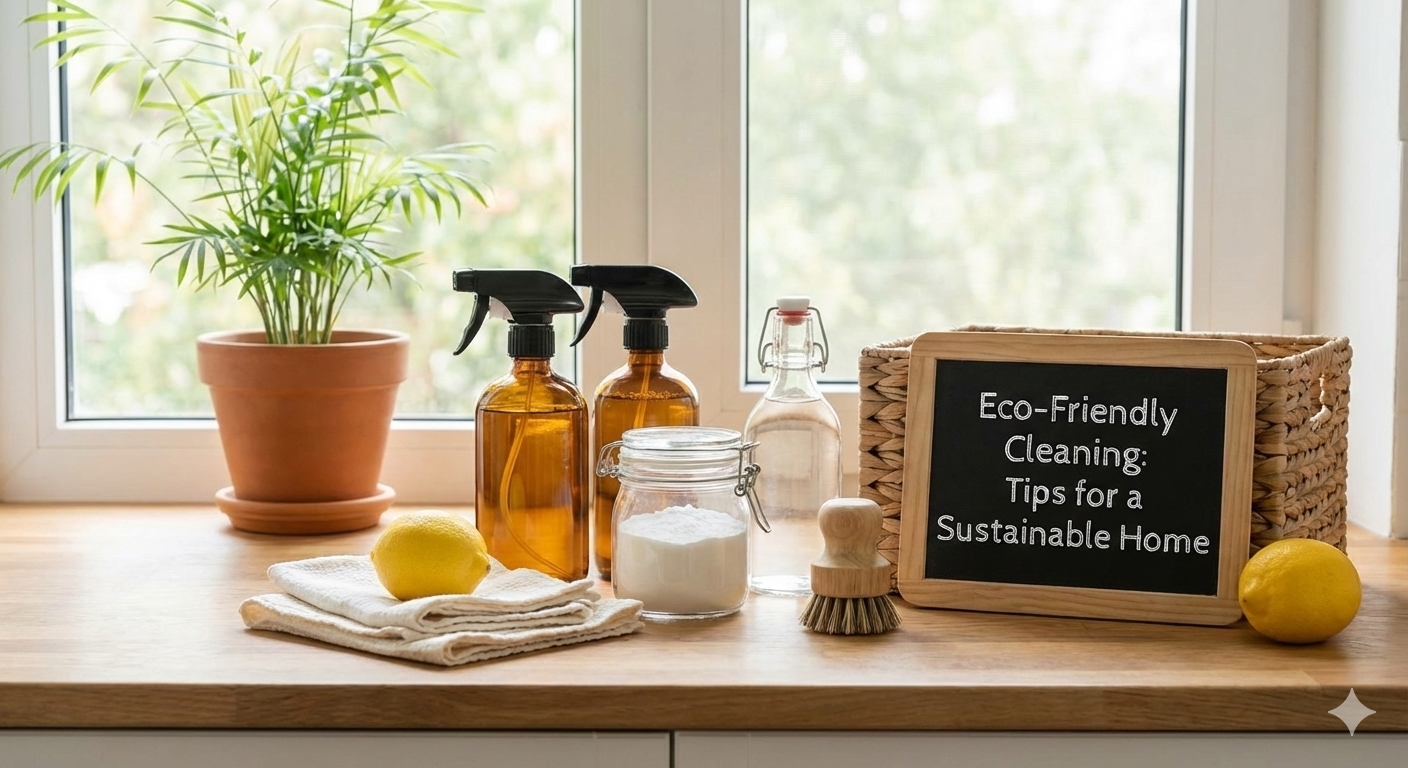
Eco-friendly cleaning did not start as a trend. It started in homes where people noticed headaches after cleaning days, dry skin from harsh sprays, and strong smells that lingered long after the job was done. Many families now want a cleaner home without filling the air with chemicals or sending harmful runoff into local water systems. A sustainable cleaning approach offers that balance. It protects your home, your health, and the environment at the same time.
In many homes, the journey begins with floors and carpets. Dirt, allergens, and spills build up quietly. Using greener methods for deep cleaning can make a real difference, especially when paired with professional services like Carpet Cleaning Somerville MA that focus on safer products and responsible processes.
Why eco-friendly cleaning matters at home
Every spray bottle and disposable wipe tells a story. Traditional cleaning products often contain chemicals that wash down drains and end up in rivers and soil. Inside the home, those same products leave residues on surfaces where children and pets crawl, eat, and play.
Eco-friendly cleaning shifts that story. It focuses on reducing toxins, limiting waste, and choosing methods that still deliver strong results. Over time, this approach can improve indoor air quality, reduce skin irritation, and create a more comfortable living space.
Sustainable cleaning also supports local ecosystems. Less chemical runoff means healthier water systems. Fewer plastic bottles mean less landfill waste. These small choices add up.
Start with what you already have
One of the most practical parts of green cleaning is that you do not need a full cabinet overhaul overnight. Many effective solutions start with simple ingredients you may already own.
White vinegar works well on glass, faucets, and tile. Baking soda handles odors and gentle scrubbing. Warm water and a microfiber cloth can clean more surfaces than most people expect.
Instead of buying multiple single-use products, try:
- One all-purpose cleaner made from vinegar, water, and a few drops of essential oil
- Baking soda for sinks, tubs, and refrigerators
- Castile soap for floors and general surface cleaning
These options reduce packaging waste and limit chemical exposure without adding extra work.
Choose reusable tools over disposables
Disposable paper towels and wipes create constant waste. Reusable tools last longer and often clean better.
Microfiber cloths trap dust and dirt instead of pushing it around. Washable mop pads replace disposable refills. Even old cotton shirts can become effective cleaning rags.
By switching to reusable tools, you cut down on trash and save money over time. Your cleaning routine becomes simpler and more efficient.
Pay attention to indoor air quality
Many people forget that cleaning affects the air they breathe. Strong fumes linger in closed spaces, especially during colder months when windows stay shut.
Eco-friendly products usually have mild or no scent. They clean without filling rooms with heavy odors. When possible, open windows while cleaning. Use fans to improve airflow.
Vacuuming with a HEPA filter also helps. It captures fine dust and allergens instead of releasing them back into the air. This matters in homes with pets, kids, or allergy concerns.
Green cleaning for high-traffic areas
Kitchens and bathrooms see the most use and the most mess. These spaces benefit from regular cleaning with gentle but effective products.
In kitchens, focus on grease control and food safety. Warm water, soap, and vinegar handle most surfaces. Avoid harsh disinfectants unless truly needed.
Bathrooms need mold and soap scum control. Baking soda paste and vinegar sprays work well with regular use. Consistency matters more than strength.
Floors and carpets deserve special care. Dirt grinds into fibers and surfaces over time. Professional services that use eco-conscious methods extend the life of flooring while reducing chemical use. This approach pairs well with routine home maintenance and long-term cleanliness goals.
Long-term habits that support sustainability
Eco-friendly cleaning is not just about products. It is about habits.
Clean spills early to avoid heavy scrubbing later. Remove shoes at the door to reduce dirt inside. Schedule regular deep cleaning to prevent buildup.
When buying new products, read labels. Look for biodegradable ingredients and refill options. Support companies that share clear information about their processes.
These habits create a system that is easier to maintain and better for the environment.
Professional help with a greener mindset
Even the most careful homeowners need professional cleaning at times. Carpets, upholstery, and high-traffic areas benefit from deep care that home tools cannot match.
Choosing services that value responsible cleaning methods supports your efforts. It ensures your home stays fresh without undoing your sustainability goals. For homeowners looking beyond basic maintenance, services like carpet cleaning Lancaster offer options that align with eco-friendly values while delivering reliable results.
Frequently asked questions about eco-friendly cleaning
Are green cleaning products as effective as traditional ones
Yes. When used correctly and consistently, they clean everyday messes very well. For heavy buildup, repeated gentle cleaning often works better than one harsh treatment.
Is eco-friendly cleaning more expensive
Not always. Many DIY solutions cost less than store-bought cleaners. Reusable tools also reduce ongoing costs.
Can eco-friendly cleaning help with allergies
Often yes. Fewer harsh chemicals and better air quality can reduce irritation and allergy symptoms in sensitive individuals.
Do professional eco-friendly cleaning services cost more
Prices vary, but many services now offer green options at competitive rates. The long-term benefits to health and home surfaces often outweigh small price differences.
Eco-friendly cleaning is a story of small choices adding up. Each refill, reusable cloth, and gentle cleaner helps create a healthier home and a cleaner community.