
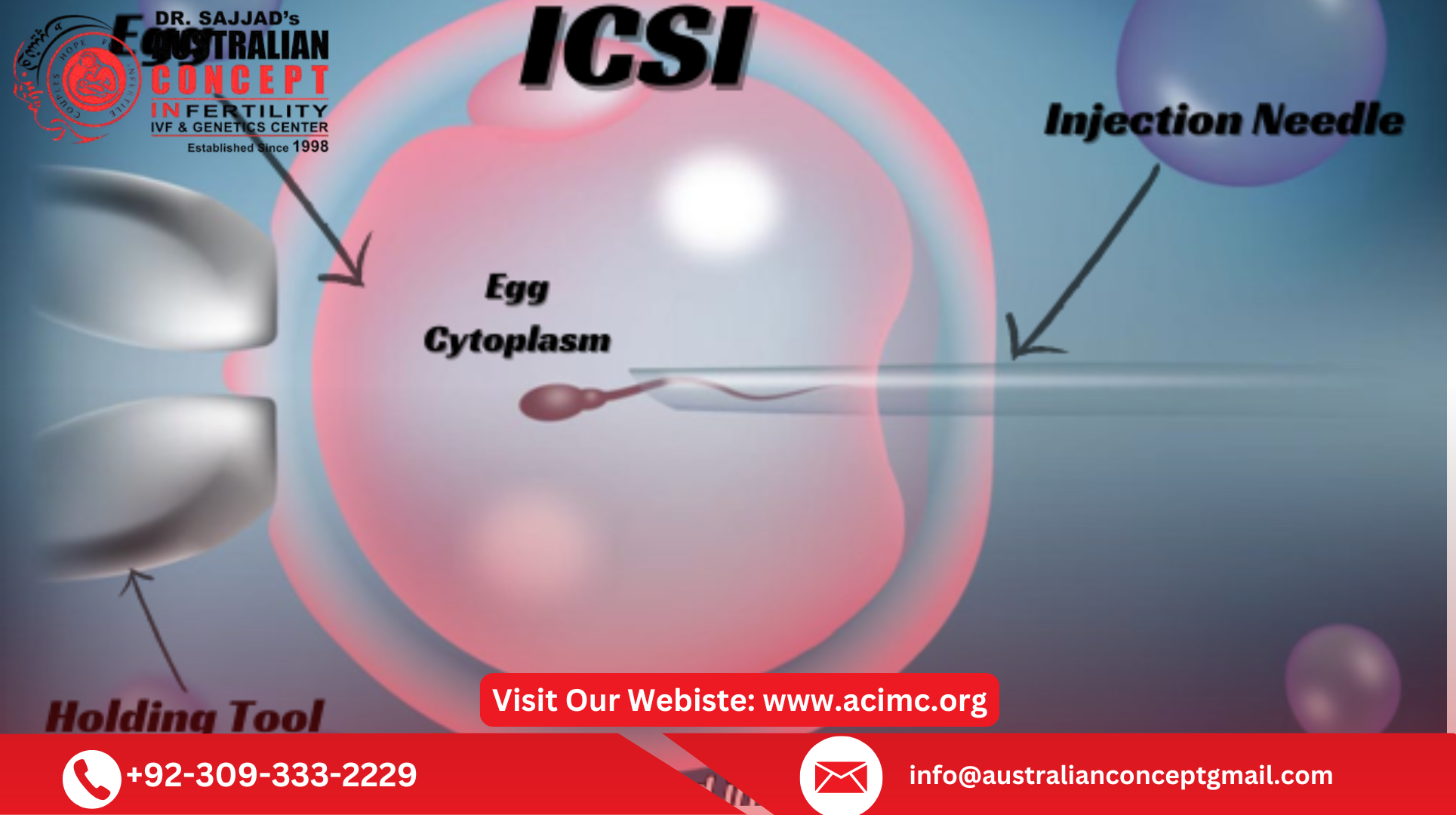
Intracytoplasmic sperm injection (ICSI) is one of the most advanced fertility treatments used to help couples facing infertility, especially male factor infertility. Many couples starting ICSI Treatment in Lahore wonder whether it can work on the first attempt. While ICSI can be successful the first time, the outcome depends on several medical and personal factors.
What Is ICSI?
ICSI is a specialized form of IVF where a single healthy sperm is directly injected into a mature egg in a laboratory. This technique is mainly used when there are problems with sperm count, motility, or morphology, or in cases of previous IVF failure.
After fertilization, the embryo is monitored and later transferred into the uterus.
Can ICSI Be Successful on the First Try?
Yes, ICSI can work on the first attempt for many couples. Some achieve pregnancy in their first cycle, especially when conditions are favorable. However, fertility treatments do not guarantee success in a single cycle, and some couples may need more than one attempt.
Success varies from person to person and depends on both male and female fertility factors.
Average Success Rates of ICSI
ICSI success rates are similar to standard IVF. On average:
-
Women under 35 may have a success rate of around 40% per cycle
-
Women aged 35–40 may have success rates between 25% and 35%
-
Women over 40 may have lower success rates
These rates can differ based on clinic expertise, embryo quality, and individual health conditions.
Factors That Affect First-Time ICSI Success
Age of the Woman
Younger women usually have better egg quality, which increases the chances of embryo development and implantation.
Sperm Quality
Even though ICSI requires only one sperm per egg, healthier sperm improve fertilization and embryo quality.
Egg Quality
Good egg quality plays a major role in successful fertilization and embryo growth.
Embryo Quality
High-quality embryos have a higher chance of implantation in the uterus.
Uterine Health
A healthy uterus with a good lining is essential for embryo implantation.
Underlying Medical Conditions
Conditions like endometriosis, hormonal imbalances, or chronic illnesses can affect success.
How Many ICSI Cycles Are Usually Needed?
Many couples conceive within 1 to 3 ICSI cycles. If the first attempt fails, doctors often adjust the treatment plan to improve outcomes in the next cycle.
Can You Improve Your Chances of Success?
While no method guarantees success, you can improve your chances by:
-
Maintaining a healthy weight
-
Eating a balanced diet
-
Avoiding smoking and alcohol
-
Managing stress
-
Following medical advice carefully
Emotional Aspects of ICSI
The waiting period after embryo transfer can be emotionally challenging. Anxiety, hope, and fear are common feelings. Support from family, counseling, and open communication with your fertility specialist in Lahore can help manage stress.
When Should You Consider Another Option?
If multiple ICSI attempts fail, your fertility specialist may recommend further tests, lifestyle changes, or alternative treatments. Each case is unique, and treatment decisions are personalized.
Final Thoughts
ICSI can work on the first try, and many couples achieve pregnancy in their initial cycle. However, success depends on factors such as age, egg and sperm quality, embryo development, and uterine health. Patience, proper medical guidance, and emotional support play a vital role in the fertility journey.