
Introduction
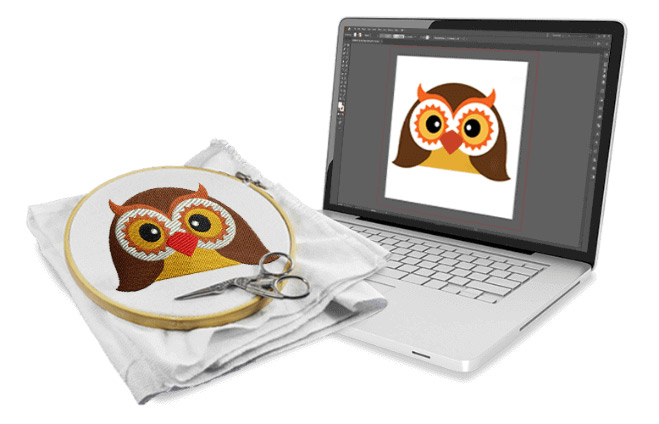
You see a stunningly embroidered logo on a crisp polo shirt. The threads are smooth, the edges are sharp, and the design sits perfectly on the fabric without a single pucker. You might credit the embroidery machine or the high-quality thread, but there’s a hidden architect behind that flawless result: the digitizer. While the machine executes the work, it’s following a meticulously crafted digital blueprint. Digitizers for embroidery are the skilled, often unseen, experts who translate flat artwork into this language of stitches. They are the critical bridge between a designer’s vision and a wearable, durable piece of embroidered art. This article pulls back the curtain on this essential craft, exploring what digitizers really do, why their expertise is non-negotiable for quality, and how they turn ideas into perfect stitch files.
What Does an Embroidery Digitizer Actually Do?
Let’s ditch the idea of a simple “file converter.” A digitizer is a technical artist and an engineer. Their core task is to take a piece of artwork—a logo, illustration, or text—and manually create a set of instructions an embroidery machine can follow. This file (like a .DST, .PES, or .EXP) doesn’t just contain an image; it contains a sequence of commands: stitch here, jump there, change color now, trim the thread.
But it’s the how that separates a true digitizer from automated software. They make hundreds of conscious decisions:
-
Stitch Type Selection: Is this area best suited for a smooth satin stitch, a solid fill stitch, or a delicate run stitch? Each has a purpose.
-
Mapping Stitch Direction: The angle of stitches within a fill isn’t random. A good digitizer sets directions that complement the shape, add visual texture, and minimize fabric pull.
-
Engineering the Underlay: This is the hidden foundation. Before any top stitching happens, the digitizer creates a layer of stitches that stabilizes the fabric, prevents puckering, and provides a base for the top threads to sit on. This step is what most automated processes skip, and its absence is why cheap conversions fail.
-
Applying Pull Compensation: Thread naturally pulls on fabric as it stitches. A digitizer proactively adjusts shapes—slightly widening the inside of curves or extending points—so they sew out perfectly. Without this, circles become ovals.
-
Sequencing the Stitch Path: They determine the exact order the machine will sew each section. Logical sequencing minimizes thread trims, long jumps between elements, and production time.
The Anatomy of a “Perfect” Stitch File
A file from a skilled digitizer isn’t just usable; it’s optimized. Here’s what perfection looks like under the digital hood:
-
Fabric-Specific Parameters: The file is built for its destination. A design for a stretchy knit hat will have different stitch densities and underlay than the same design for a stiff canvas tote. The digitizer asks, “What are we stitching this on?”
-
Clean, Efficient Stitch Paths: The needle takes the shortest, most logical route. You won’t see crazy jumps across the design, which reduces thread breaks and produces a tidier back.
-
Appropriate Stitch Density: The stitches are close enough together for full coverage but not so dense that the design feels like cardboard. This balance ensures durability without compromising the fabric’s hand (how it feels).
-
Visual Fidelity: The stitched-out design captures the essence and details of the original artwork. Small text is legible, curves are smooth, and the overall impression is professional.
-
Reliability: The file runs smoothly on the machine from the first stitch to the last, without unexpected stops or errors. It’s a predictable, production-ready asset.
The Toolbox: More Than Just Software
While professional programs like Wilcom Hatch, Pulse, or Embrilliance StitchArtist are the instruments, the digitizer is the musician. Their true toolbox includes:
-
An Artistic Eye: They understand composition, color theory, and how to simplify complex artwork without losing its soul.
-
Technical Knowledge of Textiles: They know how different fabrics (twills, knits, fleece) behave under the needle and adjust their approach accordingly.
-
Understanding of Thread and Machine Mechanics: They anticipate how thread tension and machine speed interact with their stitch choices.
-
Problem-Solving Mindset: Every design presents a unique challenge—how to imply shading with solid thread, how to keep tiny details crisp, how to make a large fill stitch without causing pull.
Why You Can’t Just “Auto-Digitize”
The allure of a one-click online converter is strong, especially for simple projects. However, these automated tools are the antithesis of a digitizer’s craft. They use a basic algorithm to trace the light and dark areas of an image, applying generic settings with no understanding of context. The result is often a file that is slow to stitch, prone to breaking threads, lacks stabilizing underlay, and produces a stiff, puckered mess on fabric. What you save in money, you lose tenfold in wasted time, materials, and frustration.
Finding and Working with Professional Digitizers for Embroidery
If you’re running a business, creating custom apparel, or have a project where quality matters, partnering with a professional is the smartest choice. Here’s how to find a good one:
-
Look for a Portfolio of Stitch-Outs, Not Just Screen Images: Anyone can show a pretty software simulation. A true professional shows photographs of their designs actually embroidered on various fabrics. Look for crisp details and clean finishes.
-
They Should Ask Questions: A good digitizer will ask about the target garment, fabric type, finished size, and intended use. If they don’t ask, they aren’t planning for success.
-
The Test Sew-Out is a Hallmark: Reputable digitizers test their files. They often provide a photo or video of the design stitched out on appropriate material as proof of quality before final delivery.
-
Clear Communication on Revisions: They should have a transparent policy for minor tweaks after the initial test, understanding that perfection sometimes requires a small adjustment.
The Value Equation: Investing in Expertise
Viewing a digitizer’s fee as a cost is a mistake. It’s an investment with a direct return:
-
Brand Protection: For businesses, a perfectly embroidered logo reinforces quality and professionalism. A poor one actively damages your brand image.
-
Production Efficiency: A well-digitized file runs smoothly, minimizing machine downtime, operator babysitting, and wasted materials. It makes your entire process more profitable.
-
Creative Realization: For artists and designers, a skilled digitizer is a collaborator who can translate nuanced artwork into thread with integrity, opening up a new medium for your work.
-
Peace of Mind: You get a reliable, production-ready asset. You can hand the file to any competent embroiderer with confidence, knowing it will stitch perfectly.
Conclusion: The Unsung Heroes of Embroidery
Behind every perfect stitch, there is a person who laid the path. Digitizers for embroidery are the essential, expert bridge between the digital and tactile worlds. They combine the eye of an artist with the mind of an engineer to solve the unique puzzle of rendering any design in thread. Their work ensures that embroidery is not just a technical process, but a reliable, high-quality craft. Whether you’re a hobbyist looking to improve your own skills or a business owner seeking a professional partner, understanding and valuing the role of the digitizer is the first step toward achieving consistently stunning results. They are, without a doubt, the experts behind every perfect stitch file.