
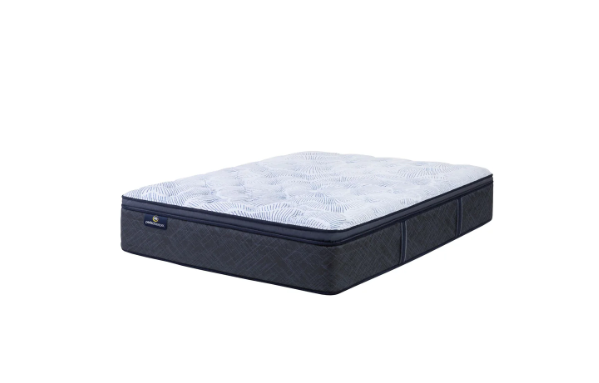
Quality sleep depends heavily on how well a mattress supports the body throughout the night. Pressure buildup in areas such as the shoulders, hips, and lower back can lead to discomfort, frequent movement, and poor rest. In the middle of exploring sleep solutions designed to reduce these issues, soft mattresses have gained attention for their ability to contour closely to the body and evenly distribute weight. This unique balance of cushioning and support plays a critical role in pressure relief and overall sleep comfort.
Understanding Pressure Points During Sleep
Pressure points occur when certain parts of the body bear more weight than others while lying down. For many sleepers, this happens at the shoulders and hips due to their natural prominence and contact with the mattress surface. When pressure is not relieved properly, it can restrict blood flow and cause soreness or stiffness upon waking. Over time, this discomfort may disrupt sleep cycles and reduce sleep quality.
Why Mattress Firmness Matters
Mattress firmness determines how much a surface compresses under body weight. Firmer mattresses resist compression, which can increase pressure on sensitive areas for some sleepers. Softer surfaces allow the body to sink slightly, reducing stress on joints and muscles. This is especially beneficial for individuals who experience discomfort from traditional firm sleeping surfaces.
How Soft Mattresses Adapt to the Body
A defining feature of soft sleeping surfaces is their ability to conform to natural body curves. Advanced foam layers and plush comfort materials respond to pressure and heat, molding to the sleeper’s shape. This adaptability helps spread body weight more evenly across the mattress, reducing concentrated pressure in one area.
Contouring and Weight Distribution
By contouring closely to the body, a soft mattress minimizes gaps between the sleeper and the surface. This consistent contact supports the spine while cushioning pressure points. In the middle of the body, materials used in soft mattresses compress just enough to relieve stress without sacrificing alignment, helping maintain a neutral sleeping posture.
Reduced Tossing and Turning
When pressure points are relieved, sleepers are less likely to shift positions frequently. Reduced movement during the night supports deeper sleep stages and improves overall restfulness. This can be particularly helpful for individuals who wake up often due to discomfort.
Benefits for Different Sleep Positions
Sleep position plays a major role in how pressure is distributed across the body. Soft sleeping surfaces tend to perform well for certain positions that are more prone to pressure buildup.
Side Sleepers
Side sleepers often experience pressure at the shoulders and hips. A softer surface cushions these areas, allowing them to sink slightly while supporting the waist and spine. This alignment reduces strain and improves comfort throughout the night.
Combination Sleepers
Those who change positions during sleep benefit from responsive materials that adjust quickly. Soft surfaces adapt smoothly as sleepers move, maintaining pressure relief without creating resistance that could interrupt rest.
Materials That Enhance Pressure Relief
The materials used in mattress construction directly affect pressure relief performance. Memory foam, plush polyfoam, and hybrid comfort layers are commonly used to create soft sleep surfaces.
Memory Foam Comfort Layers
Memory foam responds to body heat and pressure, contouring precisely to the sleeper’s shape. This targeted response is effective at relieving pressure points while providing a cradling sensation that many sleepers find soothing.
Breathability and Temperature Balance
Modern designs often incorporate cooling technologies to offset heat retention. Proper airflow and breathable covers ensure that comfort layers remain effective without causing overheating, which can disrupt sleep quality.
Long-Term Comfort and Support Balance
While softness is key to pressure relief, long-term comfort also depends on underlying support layers. Quality designs pair plush top layers with supportive cores to prevent excessive sinking. This balance helps maintain spinal alignment and extends the lifespan of the mattress.
Durability and Consistent Performance
High-quality construction ensures that cushioning materials retain their shape and responsiveness over time. In one of the last considerations when evaluating sleep comfort, soft mattresses stand out because they combine immediate pressure relief with sustained support for nightly use.
Conclusion
Pressure relief is essential for restorative sleep, and the right mattress can make a significant difference in comfort and well-being. By contouring to the body, reducing pressure points, and supporting natural alignment, softer sleep surfaces help promote deeper and more consistent rest. For those seeking to experience these benefits firsthand, visiting reputable mattress stores allows sleepers to explore options and find a solution tailored to their unique comfort needs.