
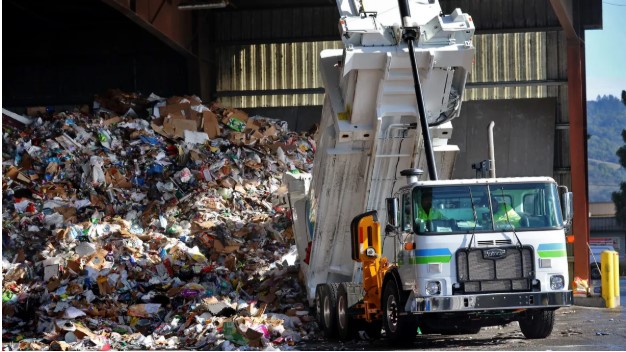
Efficient waste management relies on the ability to move large volumes of material quickly and safely. As cities expand and waste generation increases, collection fleets face greater demand, longer routes, and frequent trips to disposal sites. Many operators turn to Waste Transfer Trailers in the middle of their logistics planning to ease that pressure and keep collection schedules on track.
Understanding the Role of Transfer Trailers in Waste Systems
Transfer trailers are designed to transport high-volume waste loads from local transfer stations to regional or central processing sites. This system allows collection trucks to unload their material nearby rather than driving long distances to disposal facilities. Because these trailers carry heavier and more compacted loads, they streamline the transportation process significantly.
Why Collection Trucks Need Support
Collection vehicles play an essential role in neighbourhood waste removal, but they are not built for long-haul transport. Once their bins are full, they must unload before continuing their route. Incorporating Waste Transfer Trailers early in the waste management chain ensures collection trucks spend less time travelling and more time servicing their assigned areas.
Reducing Travel Time and Fuel Demand
Shorter Trips for Collection Trucks
With transfer stations located strategically throughout urban and regional areas, collection trucks can complete their routes faster. Instead of driving to distant landfills or processing plants, they simply unload at a nearby station. This reduces time on the road, fuel use, and wear on vehicles.
Improved Route Efficiency
By limiting long-distance trips, operators can reorganise collection schedules to maximise productivity. Trucks can complete more pick-ups per day, and fewer vehicles may be required to meet daily demand.
Maximising Payload with Transfer Trailers
Larger Capacity Loads
Transfer trailers are built to carry significantly higher volumes than standard collection trucks. They can handle dense, compacted waste with ease. When Waste Transfer Trailers are used effectively, the system allows for fewer long-haul trips overall because each trailer carries the equivalent of multiple collection vehicle loads.
Reduced Pressure on Local Fleets
Because trailers take responsibility for transporting bulk loads, collection trucks experience less downtime and reach their full route potential. This leads to cost savings and extended vehicle lifespan, reducing the frequency of repairs and fleet replacements.
Enhancing Safety and Reducing Road Congestion
Fewer Heavy Vehicles on Urban Roads
Long-distance travel by fully loaded collection trucks can increase congestion and pose safety risks. Transfer trailers minimise the number of heavy vehicles travelling through city streets on their way to disposal sites. By reducing large vehicle traffic, overall road safety improves.
Better Load Management
Transfer trailers use advanced loading and unloading systems that secure waste efficiently. Their design minimises the risk of spills and ensures a stable load throughout long-distance travel.
Supporting Environmental and Operational Sustainability
Lower Emissions
Fewer long-haul trips by collection trucks result in significant emission reductions. Trailers, which are designed for fuel-efficient transport, help operators meet environmental targets.
Centralised Waste Processing
Using transfer trailers encourages the development of centralised waste processing hubs. These facilities can sort, compact, and manage materials more effectively than smaller, isolated sites. At this stage, the benefit of Waste Transfer Trailers becomes clear as part of a broader sustainability strategy.
Improving Workforce Efficiency
Less Driver Fatigue
Collection truck drivers experience reduced workload when their daily routes involve shorter trips to transfer stations. This leads to decreased fatigue, improved safety, and fewer scheduling disruptions.
Better Use of Labour Resources
With faster turnaround times, organisations can allocate staff more efficiently. Drivers can complete additional routes or focus on areas requiring higher service frequency.
Conclusion
Transfer trailers play an essential role in reducing workload for collection fleets by taking on long-haul transport and carrying higher-capacity loads. They help waste management operators optimise fuel use, improve route efficiency, and maintain safer roads. Many facilities also rely on an industrial shredder to assist with processing materials once they arrive at centralised hubs, supporting a smoother and more sustainable waste handling system.