
Introduction
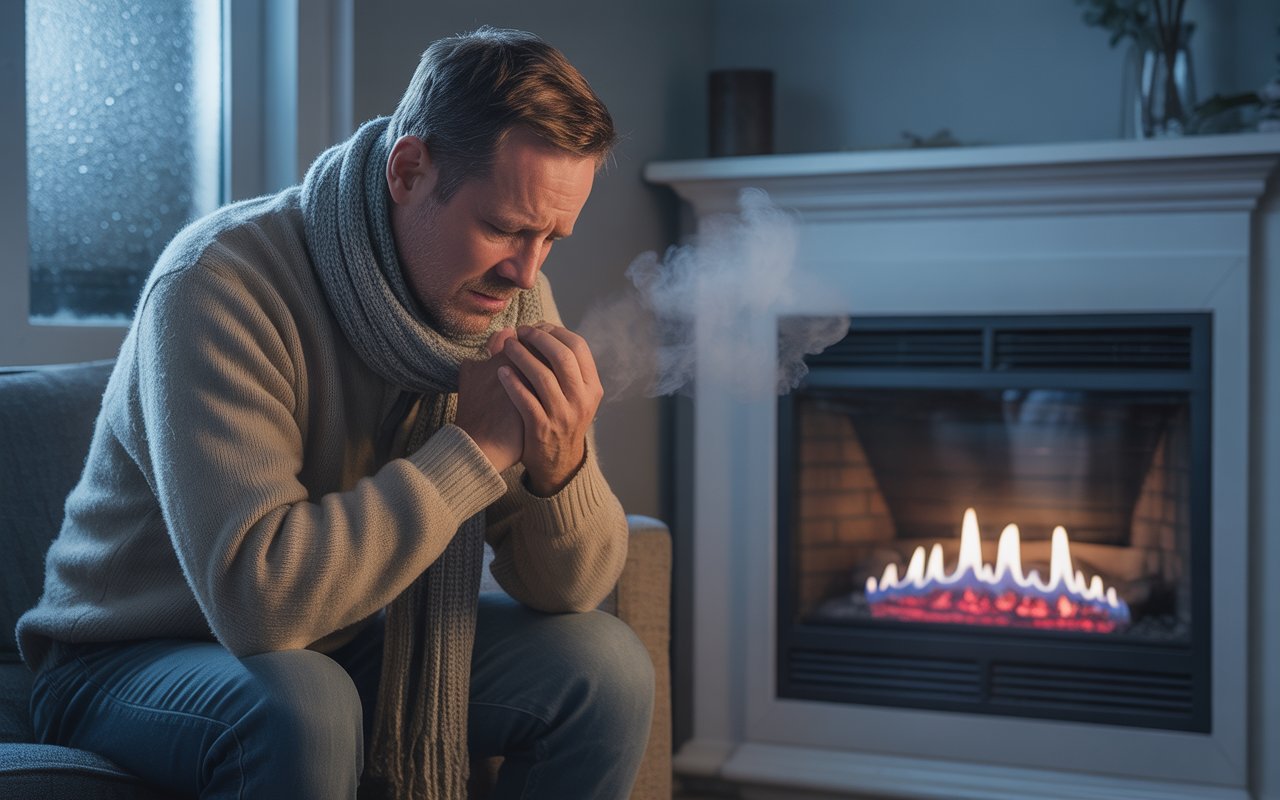
Imagine coming home on a chilly evening in Stoke-on-Trent, expecting the warmth from your gas fire, but instead finding the room cold. Frustrating, right? Many homeowners face this, and often they don’t know why it happens or what steps to take.
Understanding the common reasons why a gas fire may fail to heat a room helps you act quickly, save money, and avoid further damage. Also, knowing how professionals handle these issues can provide peace of mind. In this article, we will cover frequent gas fire problems, explain why they occur, and share practical solutions.
1. Thermostat or Control Issues
Firstly, the thermostat or control panel regulates your gas fire. If settings are wrong or the thermostat malfunctions, your fire may not heat the room efficiently.
Why it Happens
Sometimes, a misaligned thermostat, electrical glitch, or worn-out control component prevents the fire from responding. In addition, electronic controls can fail gradually over time, reducing heat output.
How It’s Fixed
- Checking and recalibrating thermostat settings
- Replacing faulty controls
- Ensuring temperature settings match room size and heating needs
Professional gas fire servicing often identifies these issues early, preventing bigger problems. Meanwhile, homeowners can monitor temperature readings to notice any irregularities.
2. Gas Supply Problems
A consistent gas supply is essential for proper heating. Interruptions or pressure issues can stop your fire from producing warmth.
Why it Happens
Closed valves, low pressure, or temporary interruptions from the supplier can prevent ignition or steady flames. Also, sometimes the problem lies in internal gas lines, which need expert inspection.
How It’s Fixed
- Confirming gas valves are fully open
- Checking supply pressure
- Contacting a certified gas fire service in Stoke-on-Trent for inspection
Remember, gas-related problems should never be handled by yourself. Professional gas fire service ensures safety and proper operation.
3. Blocked or Dirty Burners
Over time, dust, soot, or debris can accumulate inside burners, limiting heat and efficiency.
Why it Happens
Neglected maintenance allows debris to block airflow, reducing the flame’s intensity. Older fires tend to accumulate more residue, which worsens performance over time.
How It’s Fixed
- Cleaning burners safely during gas fire maintenance
- Removing blockages carefully
- Inspecting for corrosion or damage
Also, regular cleaning ensures that your gas fire operates efficiently and prevents small faults from becoming larger problems.
4. Poor Ventilation
Proper airflow is key to distributing heat evenly. Poor ventilation traps heat inside the firebox, preventing the room from warming.
Why it Happens
Blocked vents, closed flues, or furniture obstructing airflow can limit heating. In addition, older homes may have restricted ventilation pathways.
How It’s Fixed
- Ensuring vents remain clear
- Cleaning chimneys or flues
- Adjusting room layout for better airflow
Meanwhile, good ventilation improves safety and efficiency by reducing the risk of gas buildup or overheating components.
5. Pilot Light or Ignition Faults
A pilot light or electronic ignition is essential for starting the fire. If these fail, no heat is produced.
Why it Happens
Drafts, faulty thermocouples, or worn ignition modules can extinguish the pilot light. Electronic ignitions can fail due to worn wiring or components.
How It’s Fixed
- Safely relighting the pilot or resetting the ignition system
- Replacing defective thermocouples or ignition modules
- Professional inspection during emergency heating repair
Even minor ignition faults can prevent heat output, so timely intervention is crucial. In addition, early repairs prevent further component damage.
6. Internal Component Wear
Internal components like gas valves, heat exchangers, or fan motors can wear down over time, reducing efficiency.
Why it Happens
Daily usage, age, and minor corrosion gradually affect performance. Meanwhile, worn parts may produce uneven heat or stop heating altogether.
How It’s Fixed
- Inspecting and replacing worn parts
- Calibrating system components
- Routine checks during gas fire servicing
Regular maintenance ensures your fire is reliable, safe, and efficient. Also, it can prevent costly emergency repairs later.
7. Fuel Efficiency and Room Size
Older gas fires may struggle to heat larger rooms, especially if insulation is poor or there are draughts.
How It’s Fixed
- Upgrading to energy-efficient gas fires
- Sealing drafts and improving insulation
- Adjusting flame and heat settings for optimal warmth
Energy-efficient fires provide consistent heat and reduce fuel costs. Also, modern systems often include safety features that prevent overheating.
Tips to Prevent Gas Fire Problems
Even if your fire is currently working, these tips help maintain performance:
- Schedule annual gas fire servicing
- Monitor flame quality and heat output
- Clean burners, vents, and ignition components regularly
- Address minor issues early
- Ensure proper ventilation
Pro Tip: If your gas fire struggles to heat the room consistently, contact a certified gas fire service in Stoke-on-Trent.
Also, early intervention saves both money and stress.
FAQ – Common Questions About Gas Fire Heating Issues
Q1: How often should I service my gas fire?
A1: Annual servicing ensures safety, efficiency, and reliable heating.
Q2: Can I fix my gas fire myself?
A2: Only minor tasks like checking settings or cleaning dust. Internal or gas-related repairs must be handled by professionals.
Q3: Why isn’t my gas fire heating properly?
A3: Causes include blocked burners, thermostat issues, poor ventilation, or worn components.
Q4: Is it dangerous to ignore a gas fire that isn’t heating?
A4: Yes. Ignoring it can risk safety, reduce efficiency, and increase repair costs.
Q5: Can a new gas fire solve heating problems in large rooms?
A5: Yes. Modern, energy-efficient models distribute heat evenly and handle larger spaces better.
Conclusion
Gas fires not heating properly are common, yet most problems are identifiable and fixable. Acting early, maintaining your fire regularly, and calling a professional gas fire service ensures your home stays warm, safe, and efficient.