
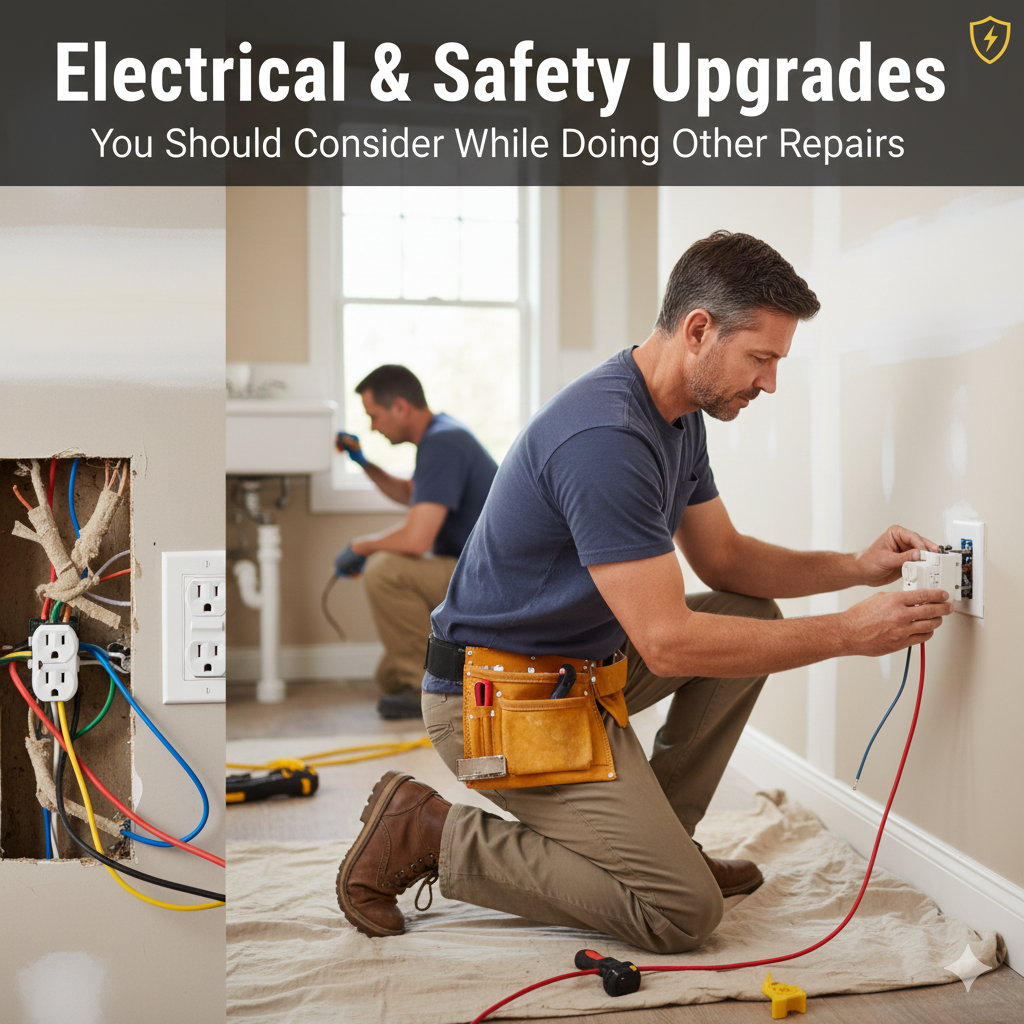
When homeowners think about repairs, they often focus on plumbing or cosmetic updates. Many overlook the opportunity to improve electrical and safety systems at the same time. For instance, if you are already investing in commercial plumbing services Woodhaven, it’s smart to inspect your electrical wiring, outlets, and safety features. Updating these elements while other work is in progress can save time, money, and prevent future headaches.
Older homes often carry outdated wiring or insufficient outlets. A simple electrical check during renovations can reveal hidden hazards. Homes built before the 1980s may still have knob-and-tube or aluminum wiring. Both can pose fire risks if left unchecked. Even if your home feels fine, hidden frayed wires or overloaded circuits could lead to serious accidents. Taking action during other repairs ensures safety without the need for another disruptive project later.
Why Electrical Upgrades Matter
Electrical systems support nearly every modern device, from kitchen appliances to home entertainment setups. Adding new outlets or upgrading your circuit breaker can prevent overloads and outages. Some upgrades are simple, like installing GFCI outlets in kitchens, bathrooms, or outdoor areas. GFCI outlets prevent shocks in wet areas and are required by modern electrical codes.
Consider also updating your lighting system. LED fixtures are energy-efficient and produce less heat, reducing fire risks. Smart lighting and outlets can add convenience and safety. They allow you to monitor energy usage, detect malfunctions, and control your home remotely.
Safety Upgrades to Include During Repairs
When working on renovations or repairs, safety upgrades can be integrated without extra hassle. Some key upgrades include:
- Smoke and Carbon Monoxide Detectors: Replace outdated detectors with modern, interconnected models. These alert the entire house if a hazard is detected.
- Surge Protectors: Install whole-home surge protection to safeguard appliances and electronics from power spikes.
- Circuit Breakers: Upgrade old fuse boxes to modern breakers. New breakers react faster and reduce fire risk.
- Fire Extinguishers and Emergency Lighting: Place extinguishers in kitchens and garages. Emergency lighting in hallways helps during power outages.
- Child Safety and Accessibility Features: For homes with children or elderly residents, consider outlet covers, tamper-resistant outlets, and stairway lighting.
Integrating these upgrades during other repair work ensures minimal disruption. Electricians can often coordinate with plumbers, painters, or carpenters, saving both time and cost.
Signs Your Home Needs Immediate Electrical Attention
Knowing when to act is key. Some warning signs include:
- Flickering or dim lights during appliance use
- Frequent tripped breakers or blown fuses
- Discolored outlets or a burning smell near wiring
- Buzzing or crackling sounds from outlets or switches
Ignoring these signs increases the risk of fires or permanent damage. Combining electrical inspections with ongoing repairs makes addressing these issues much more convenient.
Planning Ahead for Safety and Efficiency
A well-planned upgrade focuses on both safety and long-term efficiency. Work with licensed electricians and reputable contractors. Document existing systems and future needs to avoid unnecessary expenses. Scheduling inspections and upgrades alongside repairs reduces repeated labor costs.
Remember, small improvements add up. Replacing a few outlets, installing GFCI plugs, and updating smoke detectors can dramatically improve safety. If your home is undergoing aesthetic upgrades or Affordable Painting Services in Woodhaven, take a moment to review your electrical system. This approach not only protects your home but enhances overall comfort and efficiency.
Trending FAQs
Q: How often should I have my home’s electrical system inspected?
A: Experts recommend a full inspection every 10 years for older homes and every 5 years for newer homes with extensive electrical use.
Q: Can I install GFCI outlets myself?
A: While some DIY-savvy homeowners manage this safely, hiring a licensed electrician ensures proper installation and code compliance.
Q: Are LED lights safer than traditional bulbs?
A: Yes. LED lights generate less heat and reduce fire risks, while also consuming less energy.
Q: What is the benefit of whole-home surge protection?
A: It protects appliances and electronics from damage caused by power spikes and lightning strikes, extending their lifespan.
Investing in electrical and safety upgrades while completing other repairs may seem small, but it can prevent future hazards and improve the functionality of your home. Proper planning, professional guidance, and timely action turn routine renovations into opportunities for lasting safety and comfort.